
A smile is widely recognized as a valuable social asset, with many believing that an unattractive smile can negatively impact professional success. This recognition has fueled the rapid growth of cosmetic dentistry, a field dedicated to enhancing the visual appeal of teeth and gums through procedures that improve color, position, shape, size, and alignment. Understanding your options, choosing a qualified dentist, and preparing properly for treatment can help you achieve the smile transformation you've always wanted.
Cosmetic dentistry refers to dental treatments focused on improving smile aesthetics. Unlike general dentistry, which primarily addresses oral health issues like decay, gum disease, and routine maintenance, cosmetic dentistry concentrates on the visual aspects of your smile.
While aesthetic enhancement is the primary goal, many cosmetic procedures provide significant health benefits. Dental crowns restore both appearance and strength to damaged teeth, orthodontics correct bite issues that cause jaw pain while straightening teeth, and dental implants prevent bone loss while replacing missing teeth with natural-looking results. Veneers can protect weakened enamel, and properly aligned teeth are easier to clean, reducing the risk of cavities and gum disease.
The line between cosmetic and restorative dentistry often blurs. Restorative dentistry focuses on repairing damaged or missing teeth to restore function, while cosmetic dentistry emphasizes appearance. Many modern treatments successfully achieve both goals, providing comprehensive solutions that improve oral health and smile aesthetics simultaneously.
Cosmetic dentistry offers numerous procedures to address various aesthetic concerns, from discoloration and minor imperfections to more complex issues requiring extensive treatment. Understanding these popular options can help you make informed decisions about which treatments might best meet your specific needs and goals.
Teeth whitening represents one of the most popular and accessible cosmetic dental procedures, effectively addressing both extrinsic staining from foods, beverages, and tobacco, as well as some forms of intrinsic discoloration. Professional in-office whitening treatments can achieve dramatic improvements of up to 10 shades in a single 60-90 minute session, using higher concentration peroxide-based bleaching agents and specialized light or laser activation.
Professional whitening typically costs between $500-$1,000 per session but delivers faster, more dramatic results compared to over-the-counter options. At-home professional systems provided by dental clinics use custom-fitted trays and lower-concentration gels, requiring 1-2 weeks of daily use but offering more gradual, controlled results. Over-the-counter whitening strips and trays cost significantly less ($20-$100) but typically achieve only 1-2 shade improvements over several weeks.
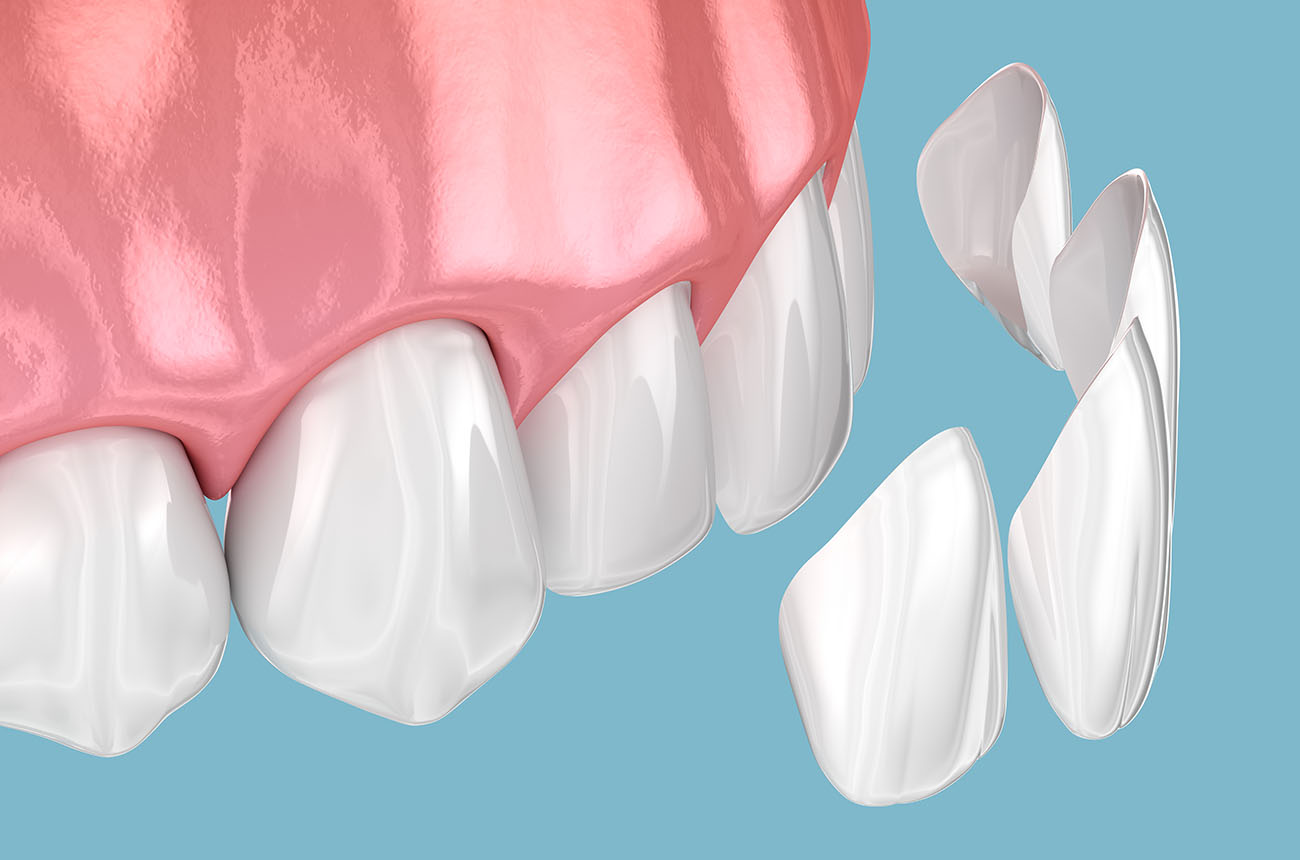
Porcelain veneers are thin, custom-made shells (typically 0.5-0.7 mm thick) crafted from medical-grade ceramics and bonded to the front surfaces of teeth. These versatile restorations address severe staining that doesn’t respond to whitening, minor misalignment, chipping, gaps between teeth, and irregularly shaped teeth.
The veneer process typically requires two appointments: the first for tooth preparation and impressions, and the second for bonding the final restorations. Porcelain veneers offer exceptional durability, typically lasting 10-15 years with proper care, and provide superior stain resistance compared to composite alternatives. However, the procedure requires the removal of a small amount of natural tooth structure and represents a significant investment, typically costing $1,500-$3,000 per tooth.
Composite resin veneers offer a more conservative and affordable alternative, involving direct application and sculpting of tooth-colored composite material. While less expensive ($250-$1,500 per tooth) and reversible, composite veneers typically last 5-7 years and may be more prone to staining and chipping than their porcelain counterparts.
Dental bonding utilizes tooth-colored composite resin material to repair chips, cracks, close spaces, and improve the appearance of discolored teeth. This versatile, minimally invasive procedure typically requires less than an hour per tooth and doesn’t necessitate removal of significant natural tooth structure.
The bonding process involves applying the putty-like resin material, sculpting it to the desired shape, hardening it with a special light, and polishing for a natural appearance. While bonding offers an affordable solution for minor cosmetic concerns, the material is more susceptible to staining and damage compared to porcelain alternatives, typically lasting 3-7 years before requiring touch-ups or replacement.
Dental implants provide the most comprehensive solution for replacing missing or failing teeth with natural-looking, fully functional artificial teeth. The dental implant procedure involves surgically placing a titanium screw (artificial tooth root) into the jawbone, allowing it to integrate with the bone through a process called osseointegration, then attaching a custom crown or bridge. Dental implant surgery replaces tooth roots with metal, screwlike posts, providing a stable foundation for the artificial teeth.
Most dental implants achieve exceptional long-term success rates. Unlike bridges or partial dentures, dental implants don’t require alteration of surrounding natural teeth and help prevent bone loss in the jaw that typically occurs after tooth loss. Depending on the dental implant approach, conventional or a Hybridge full-arch, the process can be several weeks to a few months but the results provide a permanent solution that functions and appears virtually identical to natural teeth.
The cost of a single dental implant surgery ranges from $5,000-$6,000 per tooth, including the implant, abutment, and crown. While this represents a significant investment, the longevity and functional benefits often make implants the most cost-effective long-term solution for tooth replacement.
Clear aligners represent a revolutionary approach to orthodontic treatment, using a series of custom-made, removable plastic trays to gradually shift teeth into proper alignment. These nearly invisible alternatives to traditional braces appeal particularly to adults seeking discreet treatment options.
The treatment process involves wearing each set of aligners for approximately two weeks before progressing to the next set in the series. Treatment duration typically ranges from 12-18 months, depending on the complexity of the case. Clear aligners can effectively address mild to moderate crowding, spacing issues, and certain bite problems, though more complex multi-plane movements may still require traditional orthodontic approaches.
Clear aligners represent a revolutionary approach to orthodontic treatment, using a series of custom-made, removable plastic trays to gradually shift teeth into proper alignment. These nearly invisible alternatives to traditional braces appeal particularly to adults seeking discreet treatment options.
The treatment process involves wearing each set of aligners for approximately two weeks before progressing to the next set in the series. Treatment duration typically ranges from 12-18 months, depending on the complexity of the case. Clear aligners can effectively address mild to moderate crowding, spacing issues, and certain bite problems, though more complex multi-plane movements may still require traditional orthodontic approaches.
Clear aligners represent a revolutionary approach to orthodontic treatment, using a series of custom-made, removable plastic trays to gradually shift teeth into proper alignment. These nearly invisible alternatives to traditional braces appeal particularly to adults seeking discreet treatment options.
The treatment process involves wearing each set of aligners for approximately two weeks before progressing to the next set in the series. Treatment duration typically ranges from 12-18 months, depending on the complexity of the case. Clear aligners can effectively address mild to moderate crowding, spacing issues, and certain bite problems, though more complex multi-plane movements may still require traditional orthodontic approaches.
Dental crowns, also called caps, are custom-made and completely encase the visible portion of a tooth, restoring both strength and appearance. Modern cosmetic crowns are typically fabricated from all-ceramic materials like zirconia or lithium disilicate, providing optimal aesthetics while maintaining durability.
Crowns address severely damaged, decayed, or discolored teeth that cannot be adequately restored with more conservative treatments. The procedure typically requires two appointments: tooth preparation and impression-taking during the first visit, followed by crown placement at the second appointment. Well-made crowns can last 10-15 years or longer with proper care and maintenance.
Gum contouring, also known as gingivoplasty, involves reshaping the gum line to create better proportions and improve smile aesthetics. This procedure addresses “gummy smiles” where excessive gum tissue covers too much of the teeth, uneven gum lines, or receding gums that expose too much tooth surface. By removing excess gum tissue, gum contouring creates a more balanced smile and makes teeth appear longer.
Modern gum contouring often utilizes laser technology for precise tissue removal with minimal discomfort and faster healing compared to traditional surgical methods. The procedure can be performed alone or in combination with other cosmetic treatments as part of a comprehensive smile makeover.
For patients with more complex aesthetic needs or those seeking comprehensive transformations, advanced cosmetic treatments offer sophisticated solutions that combine multiple procedures and specialized expertise.
Smile makeovers involve comprehensive treatment plans that combine multiple cosmetic procedures to achieve dramatic aesthetic improvements. These customized plans typically address various concerns simultaneously, such as tooth color, alignment, proportions, and gum health.
The smile makeover process begins with detailed analysis of facial features, tooth proportions, and patient goals, often utilizing digital smile design technology to preview potential results. Treatment may include any combination of whitening, veneers, crowns, implants, orthodontics, and gum contouring, carefully sequenced to achieve optimal results.
Full mouth reconstruction represents the most comprehensive restorative solution for patients with severely damaged, missing, or failing teeth throughout both dental arches. At Hybridge, these complex cases are managed through a collaborative approach involving our experienced prosthodontists, implant surgeons, and skilled dental technicians working together to restore both function and aesthetics.
Whether you're considering single tooth replacement or full mouth dental implant restoration, the best next step is to consult with a Hybridge doctor. During your consultation, you'll learn about our prognosis-based planning approach, explore your personalized treatment options, and receive a clear understanding of the costs associated with your care.
Ready to restore your smile? Schedule a consultation with Hybridge today to discover how our team can help you achieve lasting results.
A prosthodontist specializes in the restoration and replacement of teeth, bringing advanced expertise to complex dental cases. With three additional years of specialized training beyond dental school, prosthodontists are uniquely equipped to create comprehensive treatment plans that deliver both optimal function and natural aesthetics.
Prosthodontists receive extensive training in advanced dental implant placement, complex restorative work, and full mouth rehabilitation. This specialized expertise becomes particularly valuable for challenging cases that demand precise planning and meticulous execution to achieve the best possible results.
At Hybridge, we have a staff of experienced prosthodontists who combine advanced training with personalized care. Our team is dedicated to helping you achieve a smile that transforms both your appearance and your quality of life.
Digital smile design utilizes advanced computer technology to plan and visualize cosmetic treatments before beginning actual procedures. This technology allows the doctor and patients to collaborate in designing the ideal smile while ensuring predictable, satisfactory results.
The process involves digital photography, video analysis, and computer modeling to create detailed treatment plans and preview expected outcomes. This approach enhances communication between patient and dentist while reducing the risk of disappointing results or mismatched expectations.
Cosmetic dentistry offers numerous advantages beyond simple aesthetic improvement, though patients should also understand important considerations and potential limitations before pursuing treatment. Untreated dental issues such as cavities or gum disease must be resolved before undergoing cosmetic dentistry procedures to ensure safe and effective results.
Selecting the right dental provider is crucial for achieving safe, successful cosmetic outcomes. The quality of your results depends heavily on the practitioner's skill, experience, and commitment to staying current with modern techniques and materials.
If you want to learn more about your options, contact Hybridge Dental. Our team combines advanced training with a dedication to excellence in cosmetic dentistry, ensuring you receive personalized care and beautiful, lasting results.
Look for dentists with advanced training in cosmetic procedures beyond basic dental school education..
Request to see before-and-after photos of actual patients who received similar treatments to what you’re considering. Pay attention to cases that resemble your specific concerns and desired outcomes. Experienced practitioners should be comfortable sharing their work and discussing their approach to different types of cases.
Modern cosmetic dentistry relies heavily on advanced technology for planning, execution, and predictable results. Look for practices that utilize digital imaging, CAD/CAM technology for crowns and veneers, laser dentistry equipment, and high-quality materials from reputable manufacturers.
Research patient experiences through online reviews, testimonials, and referrals from other patients. Pay particular attention to comments about communication, comfort during procedures, and satisfaction with final results.
Schedule consultations with multiple practices to assess their communication style, willingness to explain procedures thoroughly, and ability to address your concerns. The best cosmetic dentists take time to understand your goals and develop personalized treatment plans rather than offering one-size-fits-all solutions.
For complex cases involving extensive reconstruction or implant dentistry, don't hesitate to seek treatment from specialists. General dentists with advanced training can handle many cosmetic procedures excellently, but prosthodontists and implant surgeons offer additional expertise for challenging cases requiring specialized knowledge.
Hybridge specializes in advanced implant dentistry and full smile restoration, with prosthodontist-led care for even the most complex cases. If you're facing extensive dental challenges or considering full mouth reconstruction, contact Hybridge to explore how their specialized team can restore your smile with precision and lasting results.
Ask about the practitioner’s commitment to continuing education and staying current with evolving techniques and materials. The field of cosmetic dentistry advances rapidly, and the best practitioners continuously upgrade their skills and knowledge.
Understanding the financial aspects of cosmetic dentistry helps you plan appropriately and make informed decisions about treatment options.
Teeth whitening costs vary significantly based on the method chosen. Professional in-office whitening typically ranges from $500-$1,500, while custom take-home systems cost $300-$800. Over-the-counter options range from $20-$100 but provide more limited results.
Porcelain veneers represent a substantial investment, typically costing $1,500-$3,000 per tooth. Composite veneers offer a more affordable alternative at $250-$1,500 per tooth, though they require more frequent replacement.
Dental implants, including the implant, abutment, and crown, typically cost $5,000-$6,000 per tooth. While this represents a significant upfront investment, the long-term durability often makes implants cost-effective compared to alternatives requiring periodic replacement.
Dental crowns range from $100-$4,000 per tooth, depending on the material and complexity. All-ceramic crowns for front teeth typically cost more than those for back teeth due to higher aesthetic demands.
Most cosmetic procedures are not covered by dental insurance as they’re considered elective treatments focused on aesthetics rather than medical necessity. However, some procedures may qualify for partial coverage if they provide functional benefits or address underlying health issues.
For example, crowns needed to restore severely damaged teeth may receive insurance coverage, even when placed for cosmetic reasons. Similarly, orthodontic treatment may be partially covered if it addresses functional bite problems alongside aesthetic alignment.
Many dental practices offer financing options to make cosmetic treatments more accessible. These may include:
When evaluating costs, consider how different treatment options align with your smile goals, lifestyle, and oral health habits. Higher-quality procedures typically last longer and may better suit your daily routine, potentially providing better value despite higher initial costs.
Your habits and lifestyle play a significant role in treatment longevity. If you're an active coffee or wine drinker, certain treatments may maintain their appearance longer. If you have a history of teeth grinding, more durable restorations might be essential. Some options are designed for long-term durability, while others may require more frequent replacement or maintenance depending on your oral health habits.
Consider treatments that not only achieve your aesthetic goals but also support your overall dental health and fit seamlessly into your lifestyle. The right choice should enhance both your confidence and your ability to maintain excellent oral health for years to come.
Proper preparation ensures optimal treatment outcomes and helps minimize potential complications. Understanding what to expect throughout the process allows you to plan accordingly and approach treatment with confidence.
Your first appointment typically involves a comprehensive examination of your teeth, gums, and bite, along with detailed discussion of your aesthetic goals and concerns. The doctor will evaluate your oral health status and determine whether any underlying issues need attention before cosmetic work can begin.
Digital photographs, 3D X-rays, and oral scans may be taken to document your current condition and aid in treatment planning. Some practices utilize digital smile design technology to create previews of potential results, helping you visualize expected outcomes and make informed decisions.
Complex cases involving multiple procedures require careful sequencing to achieve optimal results. Your dental provider will develop a detailed treatment plan outlining the recommended procedures, their sequence, and expected timeline for completion. Understanding these timelines helps you plan accordingly and set realistic expectations.
Specific pre-treatment instructions vary depending on the procedures planned but may include dietary restrictions, medication adjustments, or special oral hygiene protocols. For surgical procedures like dental implant placement, you may need to discontinue certain medications or supplements that could interfere with healing.
Smoking cessation is strongly recommended before any cosmetic dental work, as tobacco use significantly increases the risk of complications and can compromise healing and final results.
Different procedures require varying levels of post-treatment care and follow-up. Some treatments like bonding or whitening require minimal aftercare, while others like implant placement involve specific healing protocols and dietary restrictions.
Understanding maintenance requirements helps ensure long-term success of your cosmetic treatments. This may include using special oral hygiene products, avoiding certain foods or beverages, wearing protective guards during sleep, or scheduling regular maintenance appointments.
Most cosmetic procedures require follow-up appointments to monitor healing, make adjustments, and ensure optimal results. These appointments are important opportunities to address any concerns and ensure you’re satisfied with your treatment outcomes.
Long-term monitoring helps detect potential issues early and ensures the longevity of your investment in cosmetic dentistry. Establishing a relationship with a qualified dental provider who can provide ongoing care is essential for maintaining your enhanced smile for years to come.
The field of cosmetic dentistry continues evolving rapidly, with new materials, techniques, and technologies constantly improving treatment options and outcomes. By choosing qualified practitioners, understanding your options thoroughly, and preparing appropriately for treatment, you can achieve the smile transformation you’ve always wanted while maintaining excellent oral health.
Whether you’re considering minor enhancements like professional whitening or comprehensive smile makeovers involving multiple procedures, taking time to research your options and select the right dental provider will help ensure successful, satisfying results that enhance both your appearance and confidence for years to come.